Enhancing Safety Through Professional Welding Engineering
- icespec
- 5 hours ago
- 3 min read
Welding is a critical process in various industries, from construction to manufacturing. While it is essential for creating strong and durable structures, it also poses significant safety risks. In this blog post, we will explore how professional welding engineering enhances safety, ensuring that both workers and the public are protected from potential hazards.
Understanding the Risks of Welding
Welding involves the fusion of materials, typically metals, using high heat. This process can lead to several hazards, including:
Exposure to harmful fumes and gases: Welding produces smoke and gases that can be harmful if inhaled.
Fire and explosion risks: The intense heat and sparks generated during welding can ignite flammable materials nearby.
Electric shock: Welders work with high-voltage equipment, which can pose a risk of electric shock if proper precautions are not taken.
Injury from equipment: Heavy machinery and tools used in welding can cause physical injuries if not handled correctly.
Understanding these risks is the first step toward implementing effective safety measures.
The Role of Professional Welding Engineers
Professional welding engineers play a crucial role in enhancing safety in welding operations. Their expertise ensures that welding processes are carried out efficiently and safely. Here are some key responsibilities of welding engineers:
Design and Specification
Welding engineers are responsible for designing and specifying welding procedures that meet safety standards. This includes:
Selecting appropriate materials: Choosing the right materials for welding can significantly reduce risks. For example, using materials with high resistance to heat can prevent structural failures.
Developing welding procedures: Engineers create detailed procedures that outline the steps to be followed during welding, ensuring consistency and safety.
Training and Certification
Welding engineers often oversee training programs for welders. Proper training is essential for minimizing risks. Key aspects include:
Safety protocols: Welders must be trained in safety protocols, including the use of personal protective equipment (PPE) and emergency procedures.
Skill development: Continuous training helps welders improve their skills, reducing the likelihood of accidents caused by human error.
Quality Control
Quality control is vital in welding to ensure that welds are strong and safe. Welding engineers implement quality control measures, such as:
Inspection and testing: Regular inspections and testing of welds help identify potential issues before they become serious problems.
Documentation: Keeping detailed records of welding processes and inspections ensures accountability and traceability.
Implementing Safety Measures
To enhance safety in welding operations, several measures can be implemented:
Personal Protective Equipment (PPE)
Welders must wear appropriate PPE to protect themselves from hazards. Essential PPE includes:
Welding helmets: Protects the eyes and face from harmful UV rays and sparks.
Gloves: Insulated gloves prevent burns and provide grip.
Protective clothing: Flame-resistant clothing reduces the risk of burns.
Ventilation Systems
Proper ventilation is crucial in welding areas to minimize exposure to harmful fumes and gases. Effective ventilation systems include:
Local exhaust ventilation: Captures fumes at the source, preventing them from spreading in the workspace.
General ventilation: Ensures a constant flow of fresh air in the welding area.
Fire Safety Measures
Given the fire risks associated with welding, implementing fire safety measures is essential. These measures include:
Fire extinguishers: Having appropriate fire extinguishers readily available can help control small fires before they escalate.
Fire watches: Assigning personnel to monitor for fire hazards during and after welding operations ensures prompt action if a fire occurs.
Case Studies: Successful Safety Enhancements
Case Study 1: Construction Industry
In a large construction project, a professional welding engineer was brought in to assess the welding processes. They identified several safety risks, including inadequate ventilation and lack of proper PPE. By implementing a comprehensive training program and improving ventilation systems, the project saw a significant reduction in welding-related incidents.
Case Study 2: Manufacturing Facility
A manufacturing facility faced challenges with weld quality and safety. The welding engineer introduced a quality control program that included regular inspections and testing. As a result, the facility not only improved the quality of its welds but also reduced the number of accidents related to welding failures.
The Future of Welding Safety
As technology advances, the future of welding safety looks promising. Innovations such as automated welding systems and advanced monitoring technologies can further enhance safety. For example:
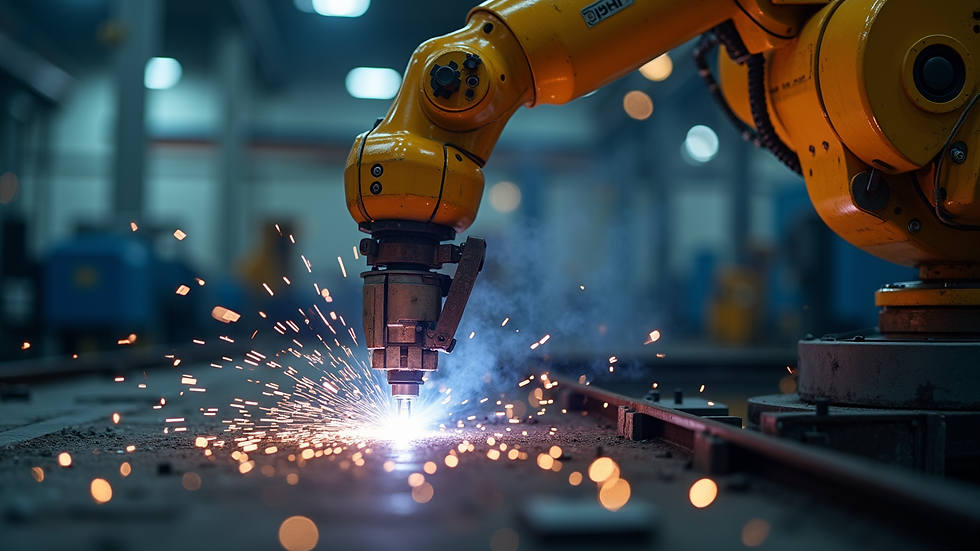
Robotic welding: Reduces human involvement in hazardous tasks, minimizing the risk of accidents.
Wearable technology: Devices that monitor welders' health and safety can provide real-time feedback, alerting them to potential hazards.
Conclusion
Enhancing safety through professional welding engineering is essential for protecting workers and the public. By understanding the risks, implementing effective safety measures, and leveraging the expertise of welding engineers, industries can create safer working environments. As technology continues to evolve, the potential for improved safety in welding operations will only increase.

Investing in safety not only protects individuals but also contributes to the overall success and reputation of an organization. As we move forward, prioritizing safety in welding will be crucial for sustainable growth and development in various industries.

Comments