Top Welding Engineering Solutions for Industry Success
- icespec
- 16 hours ago
- 3 min read
Welding is a critical process in various industries, from construction to automotive manufacturing. As technology evolves, so do the methods and solutions available to welding engineers. In this blog post, we will explore the top welding engineering solutions that can enhance productivity, improve quality, and ensure safety in the workplace.
Understanding the Importance of Welding Engineering
Welding engineering is not just about joining materials; it is about ensuring that the final product meets safety and quality standards. The right welding solutions can lead to:
Increased Efficiency: Streamlined processes reduce time and labor costs.
Enhanced Quality: Advanced techniques ensure stronger, more reliable welds.
Safety Improvements: Proper methods and equipment reduce the risk of accidents.
Key Welding Engineering Solutions
1. Automated Welding Systems
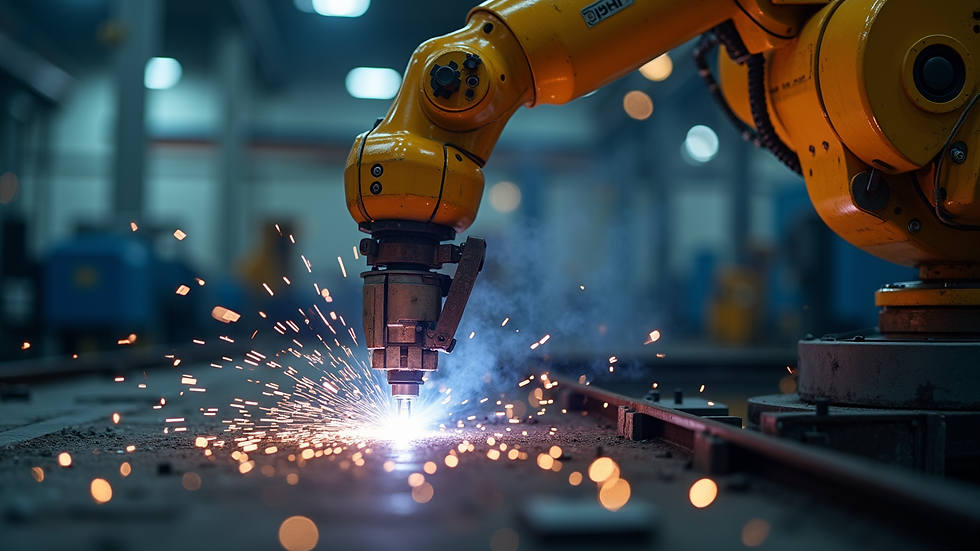
Automated welding systems have revolutionized the industry. These systems use robotics and computer-controlled machines to perform welding tasks, which can significantly increase production rates and consistency.
Benefits of Automated Welding:
Precision: Robots can perform repetitive tasks with high accuracy, reducing human error.
Speed: Automated systems can work faster than manual welding, increasing throughput.
Cost-Effectiveness: While the initial investment may be high, the long-term savings in labor and material costs can be substantial.
2. Advanced Welding Techniques
Innovative welding techniques, such as laser welding and friction stir welding, offer unique advantages over traditional methods.
Laser Welding: This technique uses a focused laser beam to melt and join materials. It is ideal for thin materials and provides a clean, strong weld.
Friction Stir Welding: This solid-state process involves using a rotating tool to generate heat and join materials without melting them. It is particularly effective for aluminum and other non-ferrous metals.
Advantages of Advanced Techniques:
Reduced Distortion: These methods produce less heat, minimizing warping and distortion.
Stronger Joints: The resulting welds often have superior mechanical properties.
3. Welding Simulation Software
Welding simulation software allows engineers to model and analyze welding processes before actual production. This technology can help identify potential issues and optimize parameters.
Key Features of Welding Simulation Software:
Process Visualization: Engineers can see how different parameters affect the weld.
Heat Distribution Analysis: Understanding how heat travels through materials can help prevent defects.
Cost Estimation: Simulations can provide insights into material and labor costs.
4. Quality Control and Inspection Technologies
Ensuring the quality of welds is paramount. Advanced inspection technologies, such as ultrasonic testing and X-ray inspection, provide non-destructive methods to evaluate weld integrity.
Benefits of Quality Control Technologies:
Early Detection of Defects: Identifying issues before they become critical can save time and resources.
Compliance with Standards: Many industries have strict regulations regarding weld quality. Advanced inspection ensures compliance.
5. Training and Certification Programs
Investing in training and certification for welding engineers and technicians is essential for maintaining high standards in welding practices.
Importance of Training Programs:
Skill Development: Continuous education helps workers stay updated on the latest techniques and technologies.
Safety Awareness: Training programs emphasize safety protocols, reducing the risk of accidents.
The Future of Welding Engineering
As industries continue to evolve, so will welding engineering solutions. The integration of artificial intelligence (AI) and machine learning into welding processes is on the horizon. These technologies promise to enhance automation, improve quality control, and optimize production efficiency.
Conclusion
Welding engineering is a dynamic field that plays a crucial role in various industries. By adopting advanced solutions such as automated systems, innovative techniques, simulation software, and rigorous training programs, companies can achieve greater success. As technology continues to advance, staying informed and adaptable will be key to thriving in the welding industry.
Investing in these welding engineering solutions not only enhances productivity but also ensures safety and quality, paving the way for a successful future in the industry.


Comments